Coconut Shell Activated Carbon Prices Are Rising – And Experts Say the Trend Isn’t Going Away
If you’ve been keeping an eye on activated carbon prices lately, you’ve probably noticed something: coconut shell activated carbon is getting more expensive. And according to market analysts, this isn’t just a temporary blip.
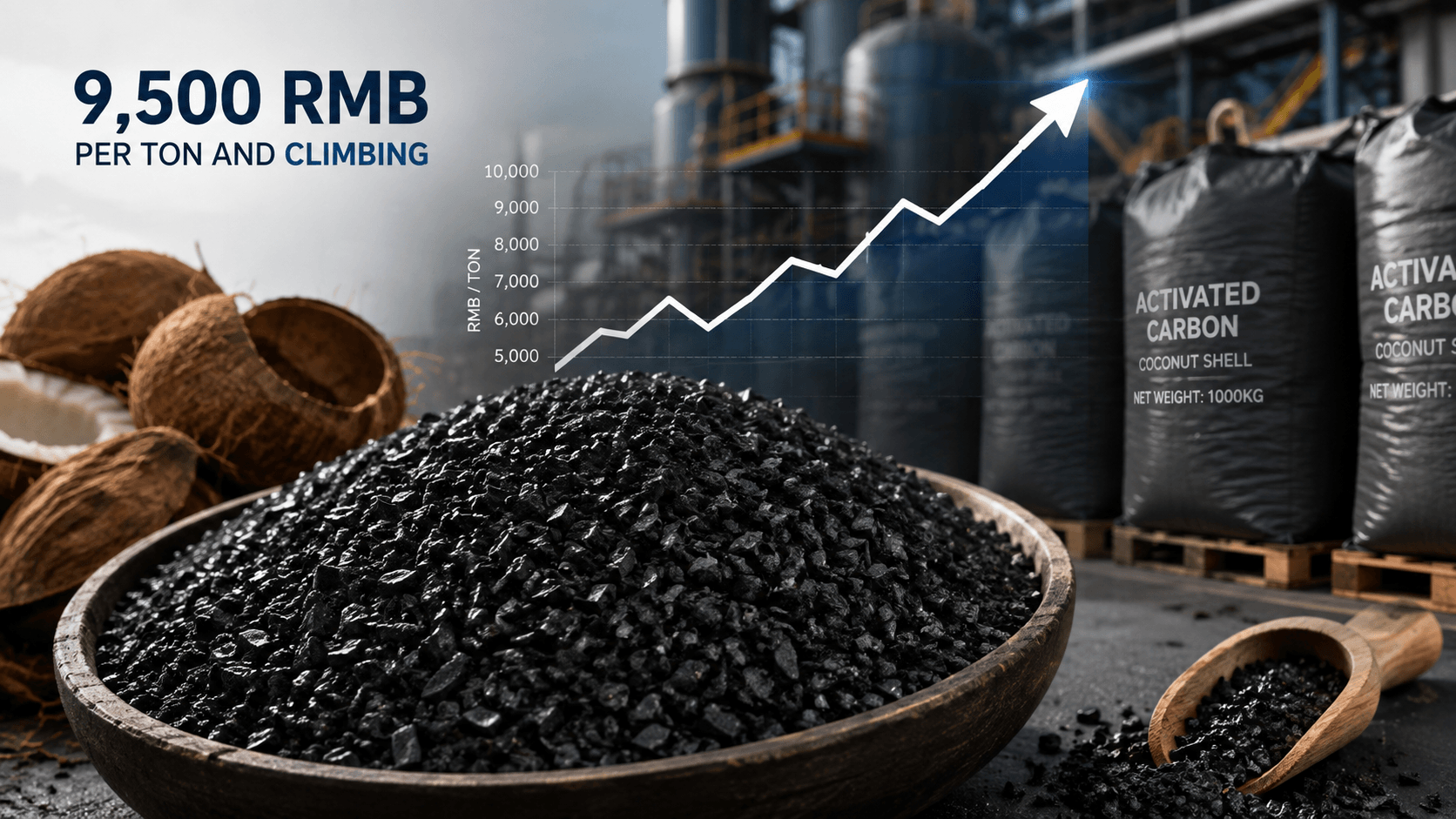
On May 28, 2026, Hebei Shunkang quoted coconut shell activated carbon with an iodine value of 800 at 9,500 RMB per ton (delivered ex-works, tax included) – representing an increase of 50 RMB per ton. Fifty RMB might not sound like much, but when you look at the bigger picture, it’s part of a clear upward trend that has been building for months.
So what’s driving this? Industry insiders point to three main factors: weak supply, low inventory, and high production costs. And here’s the kicker – most experts expect prices to keep rising.
The Southeast Asian Supply Crunch
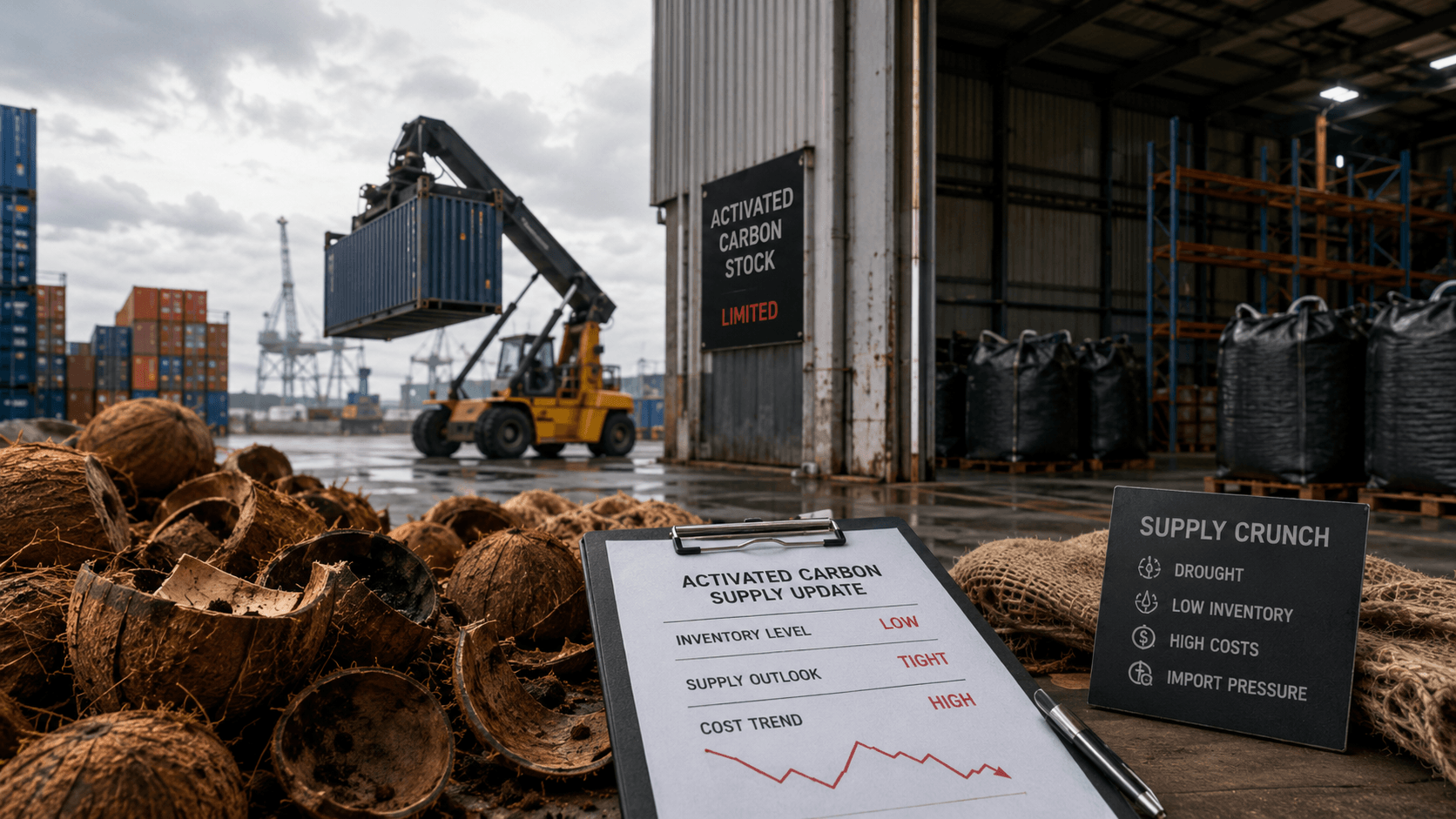
The root of the problem lies in the raw material supply chain. Southeast Asia, which supplies a significant portion of the world’s coconut shells used for activated carbon production, experienced a severe drought in 2024 that dramatically reduced coconut harvests. The effects of that drought are still rippling through the market today.
Coconut shell carbonized material remains in tight supply, and production cuts in the region have driven up the cost of imported raw materials. This isn’t just a minor inconvenience – it’s a structural shift that’s putting real pressure on manufacturers and, ultimately, on buyers.
What This Means for Buyers
For companies that rely on coconut shell activated carbon for water treatment, gold recovery, or air purification, the message is clear: waiting for prices to drop probably isn’t a winning strategy.
The current market is characterized by what analysts describe as “weak supply, low inventory, and high costs”. In plain English, that means there’s less product available, warehouses are emptier than usual, and it costs more to make the stuff. All of that adds up to one thing – higher prices for end users.
Some manufacturers, like Jacobi Carbons, have already implemented price increases of 15–20% effective from July 2025 due to limited coconut availability. Others are likely to follow suit.
A Word of Advice for Procurement Teams
If you’re responsible for sourcing activated carbon for your organization, now might be a good time to review your supply strategy. Building stronger relationships with reliable suppliers, considering alternative raw materials where feasible, and maintaining adequate safety stock levels could help you navigate this period of price volatility.
The coconut shell activated carbon market is in a period of significant flux. Supply shortages and cost pressures are likely to persist in the short term. The smart play? Stay informed, plan ahead, and don’t wait until the last minute to secure your supply.
Published by zhengzhou jinmai – your trusted partner in activated carbon solutions.