Impreganted activated carbon
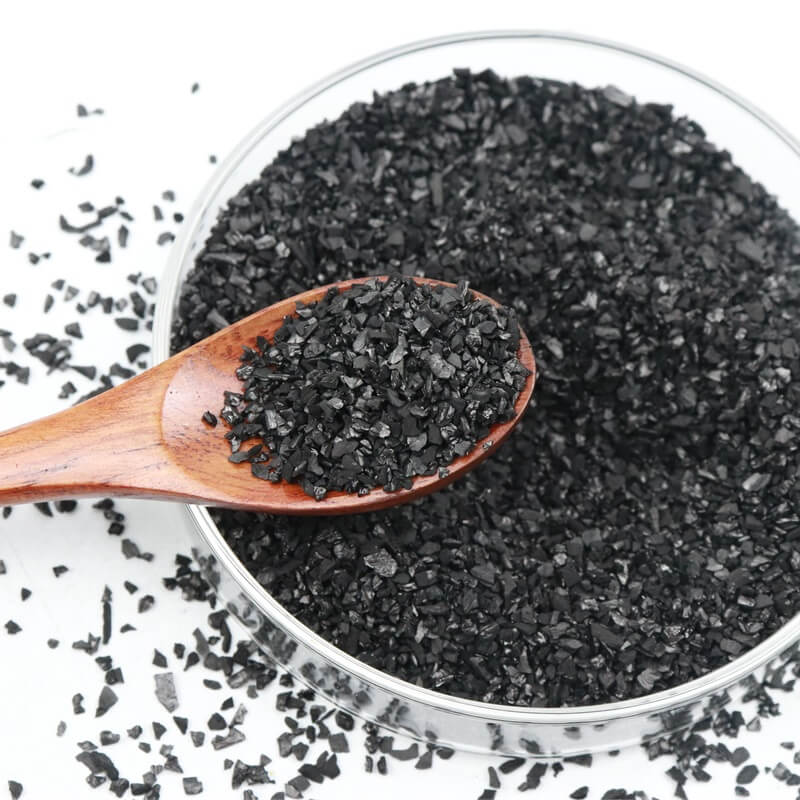
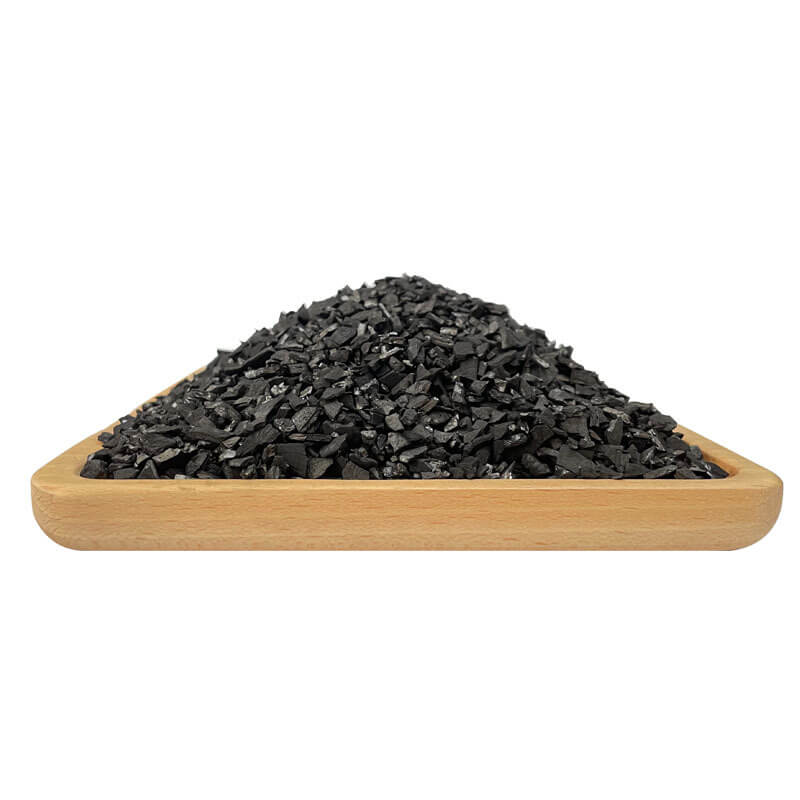
Impregnated activated carbon is a specialized adsorbent enhanced with chemical agents to target specific contaminants beyond the scope of conventional carbon. Through acid impregnation (e.g., with phosphoric or sulfuric acid), it effectively captures basic gases like ammonia and amines via neutralization. Alkaline impregnation (e.g., with potassium hydroxide or carbonate) excels at adsorbing acidic pollutants such as hydrogen sulfide and chlorine. Meanwhile, silver-impregnated carbon leverages the antimicrobial properties of silver ions to inhibit bacterial growth on the filter media, making it ideal for water purification and air sterilization. This synergistic combination of acid, base, and silver treatments allows for a comprehensive, multi-pollutant removal strategy, ensuring high efficiency across diverse industrial, medical, and environmental applications.
Application scenarios:
Drinking water treatment、Water plant、Industry water treatment、VOCs removal、Fine gas processing...
Whatsapp: +86 150 3611 2915
Email: Info@jinmaichem.com
Working principle
Impregnated activated carbon operates through a dual mechanism: physical adsorption and chemical reaction. The highly porous carbon matrix first traps contaminant molecules within its extensive micropore structure via van der Waals forces. Simultaneously, the impregnated chemical agents—whether acidic, alkaline, or silver-based—react specifically with targeted pollutants. Acidic impregnants neutralize alkaline gases (e.g., NH₃), alkaline impregnants neutralize acidic gases (e.g., H₂S, SO₂), and silver ions disrupt bacterial cell walls and enzymes, providing biocidal action. This chemisorption process converts harmful gases into harmless salts or stable compounds, ensuring irreversible capture and preventing re-release.
Product Parameters
| Model | IM-S-CCAC1000 | IM-Koh-PAC1000 | IM-HCL-PAC1000 | IM-PD-ACP1000 |
| Particle size(mm) | 4*8/8*30/12*40mesh | 4/6 | 4/6 | 200/325mesh |
| Iodine value(mg/g) | 1000 | 1000 | 1000 | 1000 |
| Impragneted content(%) | 0.3-0.5 silver | 8-10 KOH | 8-10 HCL | 5-20 palladium |
| Moisture(%) | 10 | 10 | 10 | 50 |
| Ash content(%) | 5 | 20 | 20 | / |
| Usage | Drinking water | Acidic gases | Alkaline gases | Catalyst |
Product Advantages
1.Broad-Spectrum Removal: Combines physical filtration with tailored chemical reactivity, enabling simultaneous elimination of acidic gases, alkaline vapors, and airborne microorganisms. 2.High Efficiency & Capacity: Chemical impregnation significantly increases the adsorption capacity for low-concentration or recalcitrant pollutants that plain carbon cannot handle. 3.Enhanced Safety: Silver-impregnated variants inhibit microbial proliferation within the filter bed, preventing secondary contamination and extending service life. 4.Superior Selectivity: Impregnation chemistry can be customized to target specific industrial or environmental challenges, offering flexible, application-specific solutions.
Application areas
Our activated carbon products have a wide range of applications, including environmental protection, food, medicine, industry, and civil use.

Water treatment

Gas Purification

Gold Recovery

Food & Beverage

Chemical Industry

Pharmaceutical

Air Filtration

Sewage Treatment
More related products
We offer a full range of activated carbon products for you to choose from
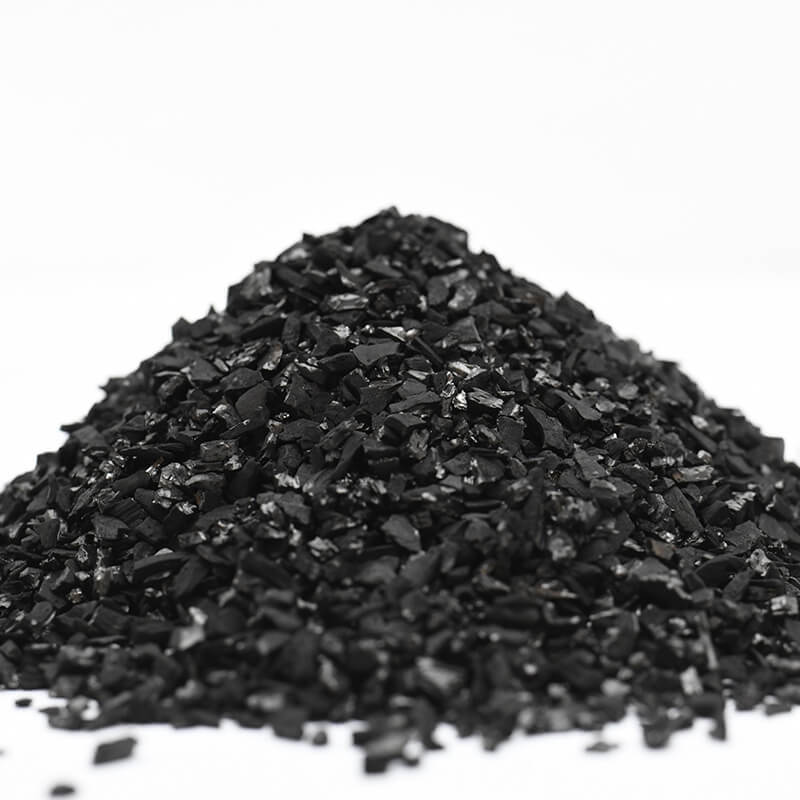
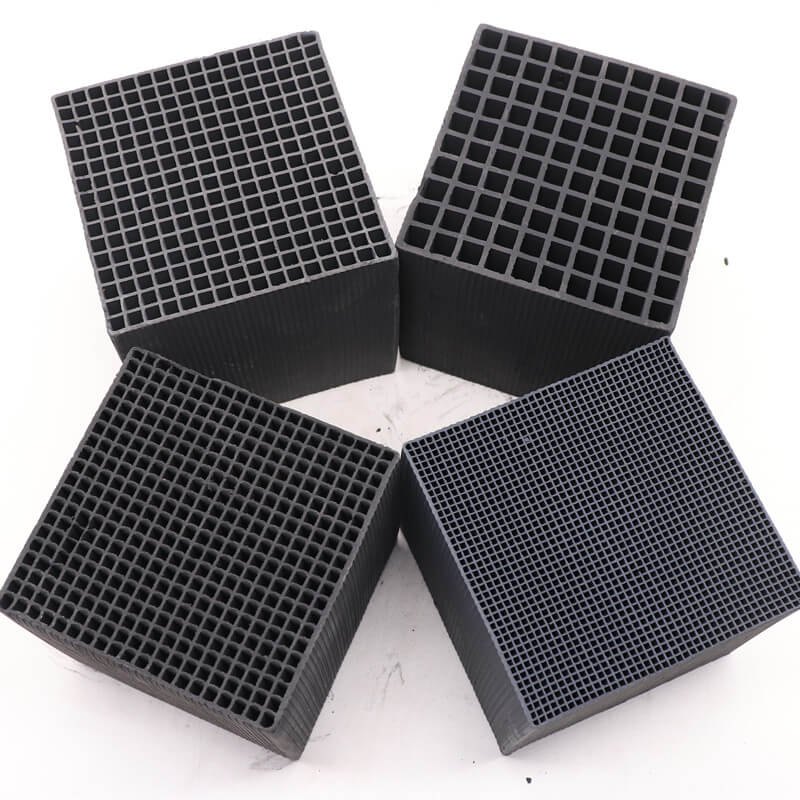
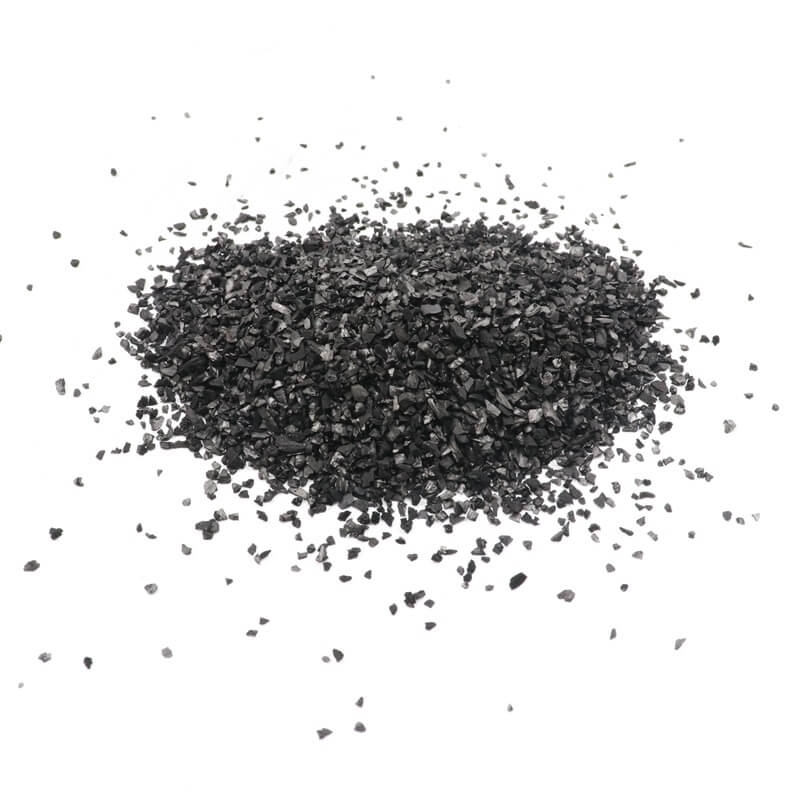
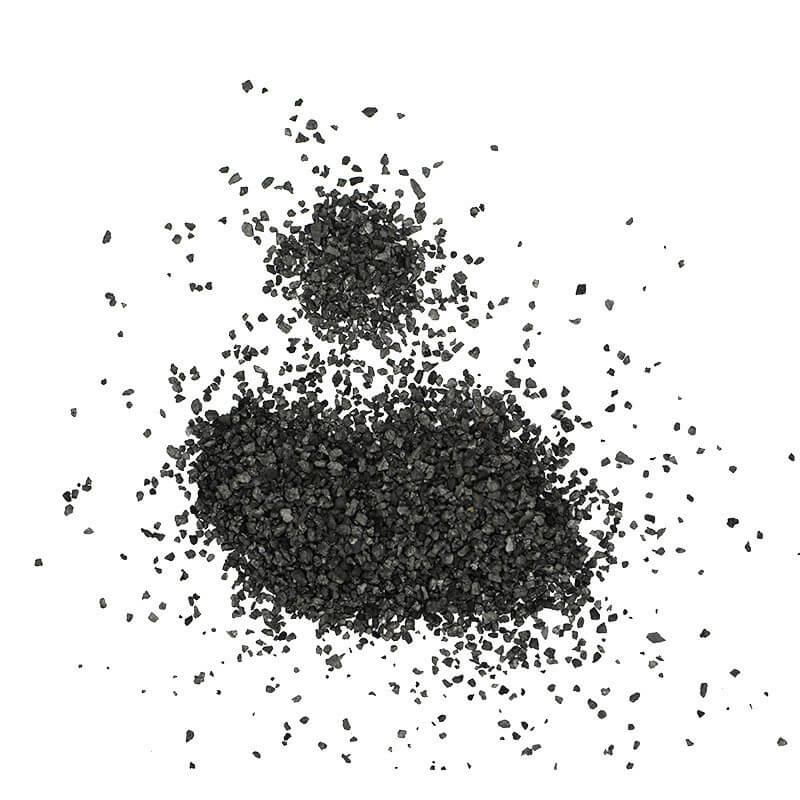
FREQUENTLY ASKED QUESTIONS
Have Questions? We're Here to Help.
Identify the pollutants to be adsorbed; examine key indicators; and conduct small-scale trials to verify the results, taking into account cost.
No. The iodine value only indicates the number of micropores and is suitable for small molecules; if processing large molecules, the methylene blue value and the proportion of mesopores need to be considered.
Drinking water/odor removal: Coconut shell charcoal (high micropores); Municipal high-flow-rate charcoal: Coal-based charcoal (high strength); Industrial wastewater decolorization: Wood-based charcoal (well-developed mesopores); Specific selection requires flexibility.
Granular activated carbon (general purpose), honeycomb activated carbon (high airflow, low resistance), and fiber felt (high-requirement applications) are all available.
Yes. You can contact us to select samples, specifying the quantity and requirements.
Yes. Particle size, column diameter, honeycomb size, pore size, and iodine value/CTC can all be customized to your needs.