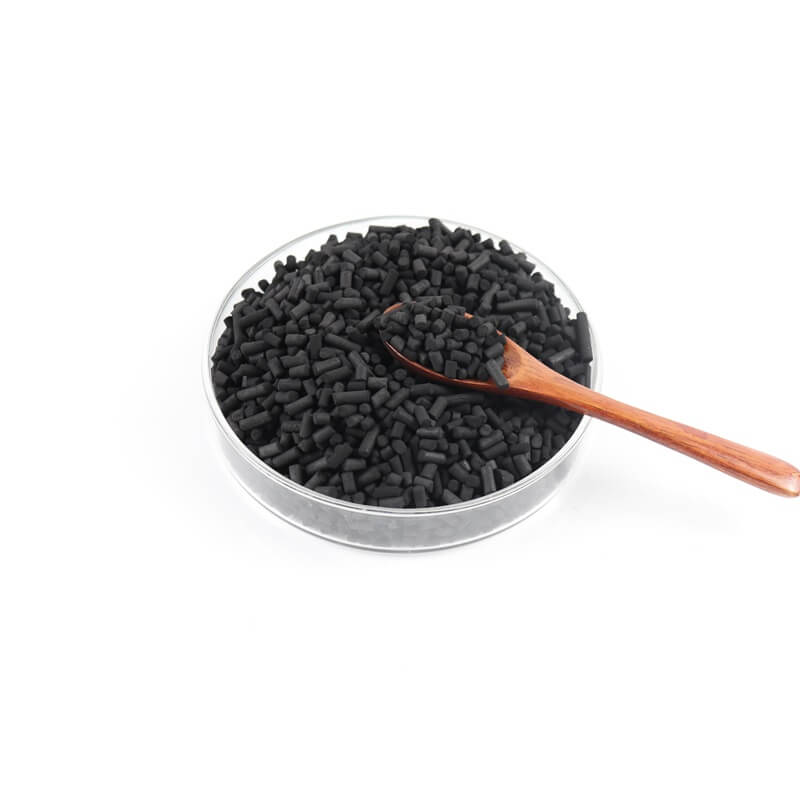
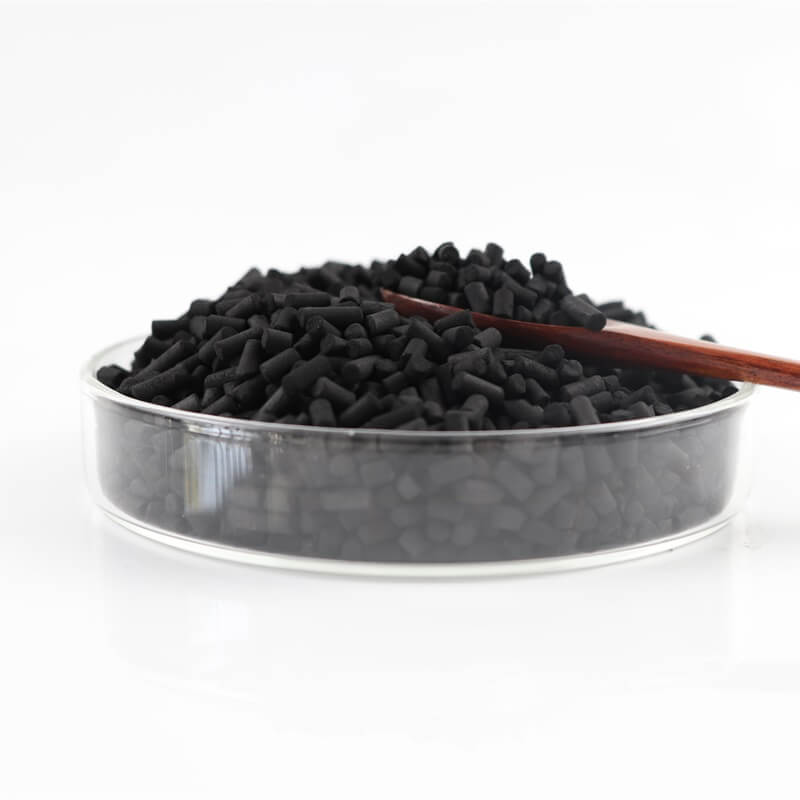
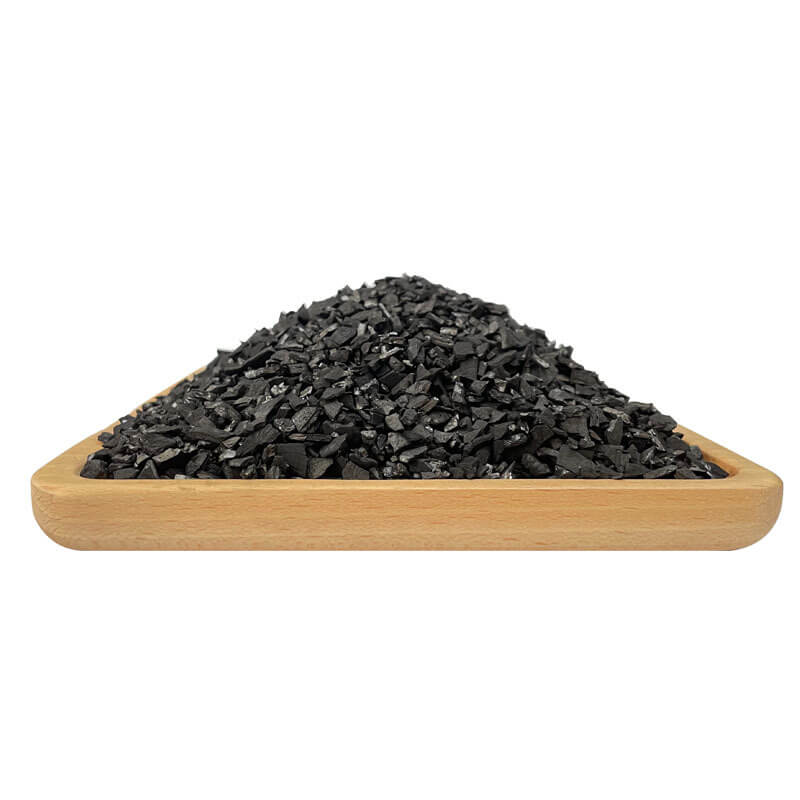
Pellet/Columnar activated carbon
AP-PAC800-1100 is a highly effective adsorbent for removing volatile organic compounds (VOCs) from industrial air streams. Its extensive microporous structure provides a immense surface area that physically traps and retains VOC molecules through adsorption forces. Common applications include paint booths, chemical processing, and wastewater treatment facilities. GAC systems efficiently capture benzene, toluene, xylene, and other hydrocarbons, ensuring regulatory compliance and improving air quality.
Application scenarios:
Air Purification、Tank treatment、Solvent recovery、CO2 adsorb、VOCs removal
Whatsapp: +86 150 3611 2915
Email: Info@jinmaichem.com
Working principle
Coal-based columnar activated carbon is produced from bituminous or lignite coal through crushing, binder-mixing, extrusion, carbonization, and steam activation. This process creates a predominantly meso-macroporous structure (pores 2–50 nm and >50 nm), complemented by a moderate micropore volume. Its surface chemistry includes oxygen-containing functional groups that enhance chemisorption for polar molecules. In fixed-bed columns, the cylindrical shape ensures uniform flow distribution and low pressure drop, allowing contaminants—such as large organic molecules, dyes, and certain heavy metals—to be physically adsorbed via van der Waals forces within its broad pore network.
Product Parameters
| Model | AP-PAC800 | AP-PAC900 | AP-PAC1000 | AP-PAC1100 |
| Particle size(mm) | 2/3/4/6 | 2/3/4/6 | 2/3/4/6 | 2/3/4/6 |
| Iodine value(mg/g) | 800 | 900 | 1000 | 1100 |
| CTC(%) | 40 | 50 | 60 | 75 |
| Hardness(%) | 90 | 90 | 90 | 90 |
| Moisture(%) | 5 | 5 | 5 | 5 |
| Ash content(%) | 12 | 12 | 15 | 15 |
| PH value | 7-9 | 7-9 | 7-9 | 7-9 |
Product Advantages
1. Cost-Effective: Made from abundant coal reserves, offering significantly lower raw material costs than coconut shell carbons—ideal for large-scale or disposable applications. 2.Broad Pore Size Distribution: Meso-macropores effectively capture larger organic molecules (e.g., humic acids, dyes, and industrial solvents) that micropore-dominant carbons cannot accommodate. 3.Versatile Surface Chemistry: Can be chemically impregnated (e.g., with sulfur, silver, or caustic) to enhance removal of specific gases like hydrogen sulfide, mercury, or acidic fumes.
Application areas
Our activated carbon products have a wide range of applications, including environmental protection, food, medicine, industry, and civil use.

Water treatment

Gas Purification

Gold Recovery

Food & Beverage

Chemical Industry

Pharmaceutical

Air Filtration

Sewage Treatment
More related products
We offer a full range of activated carbon products for you to choose from
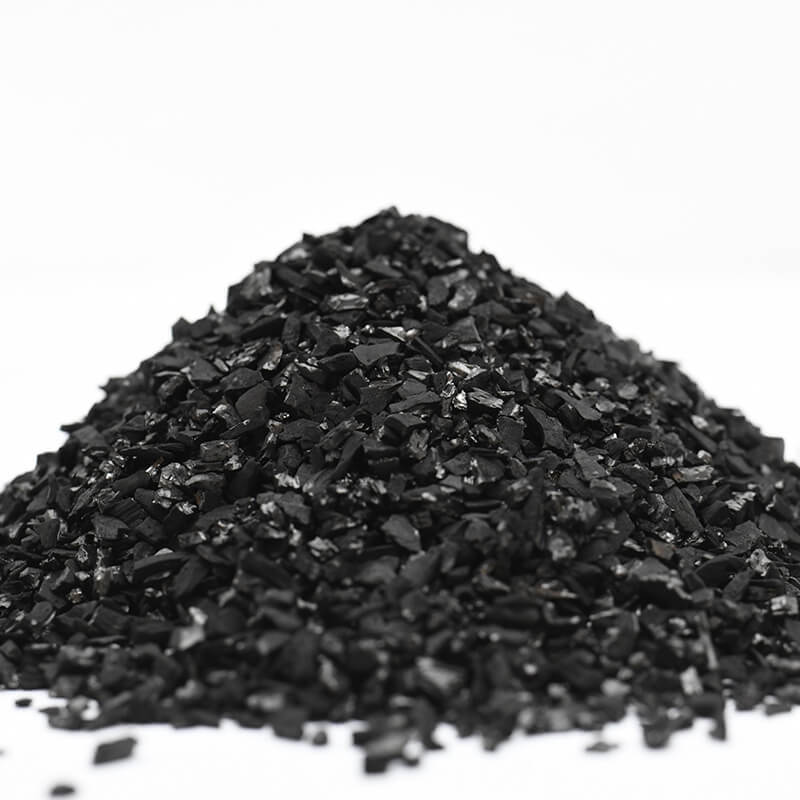
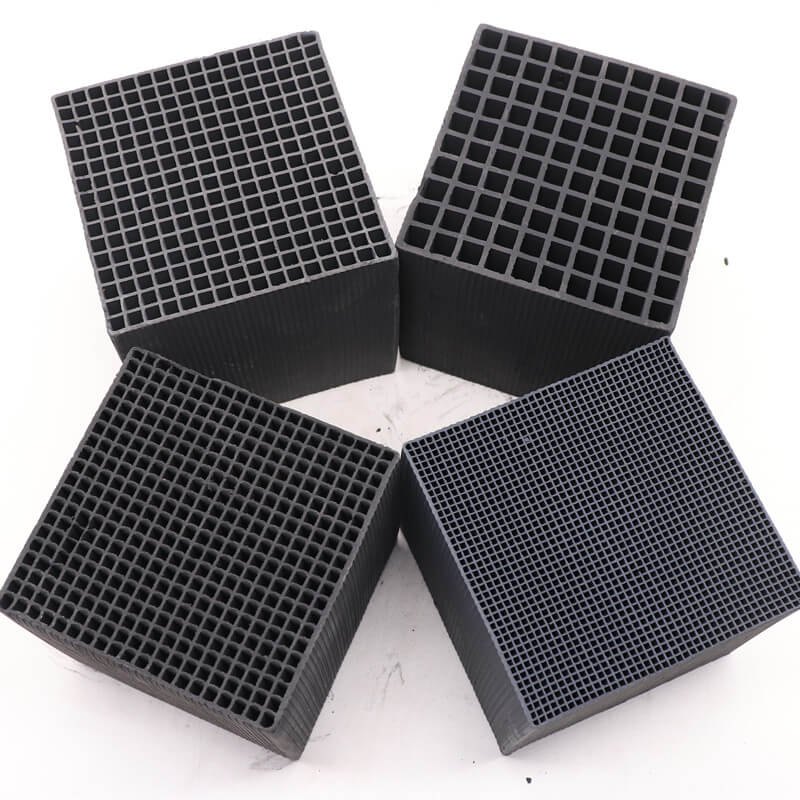
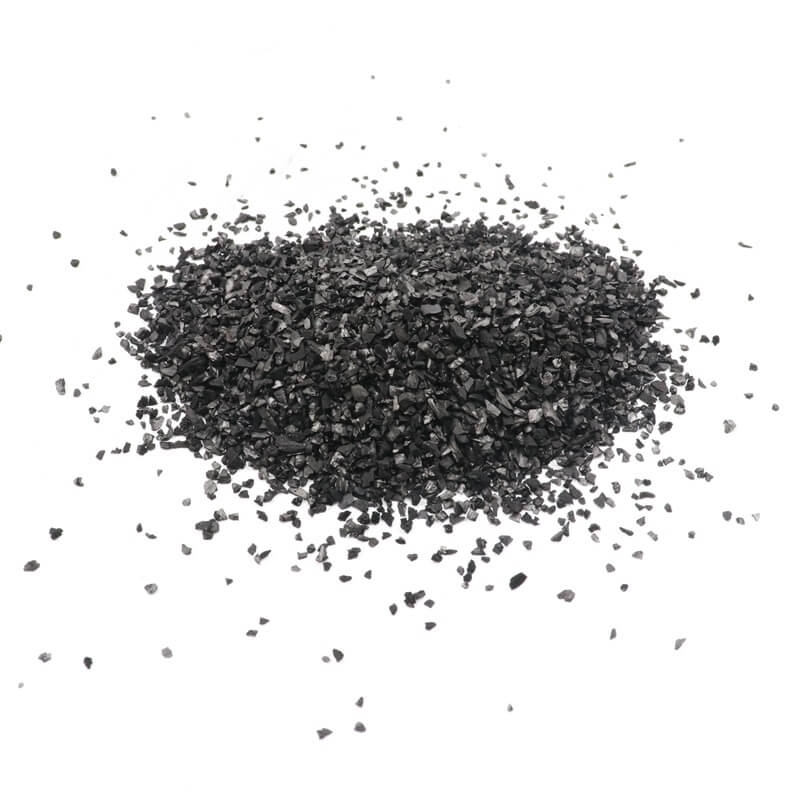
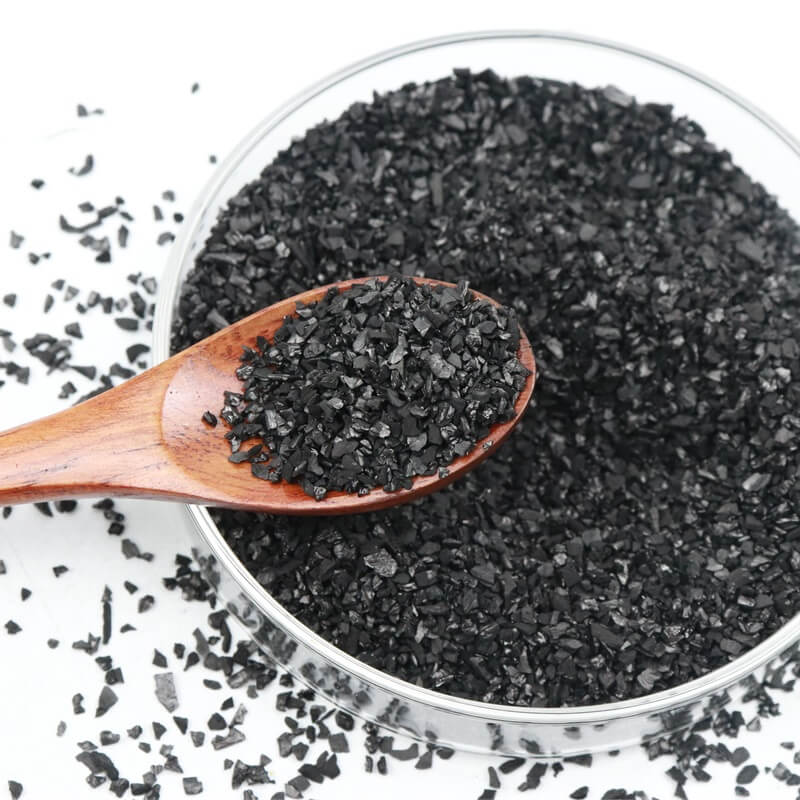
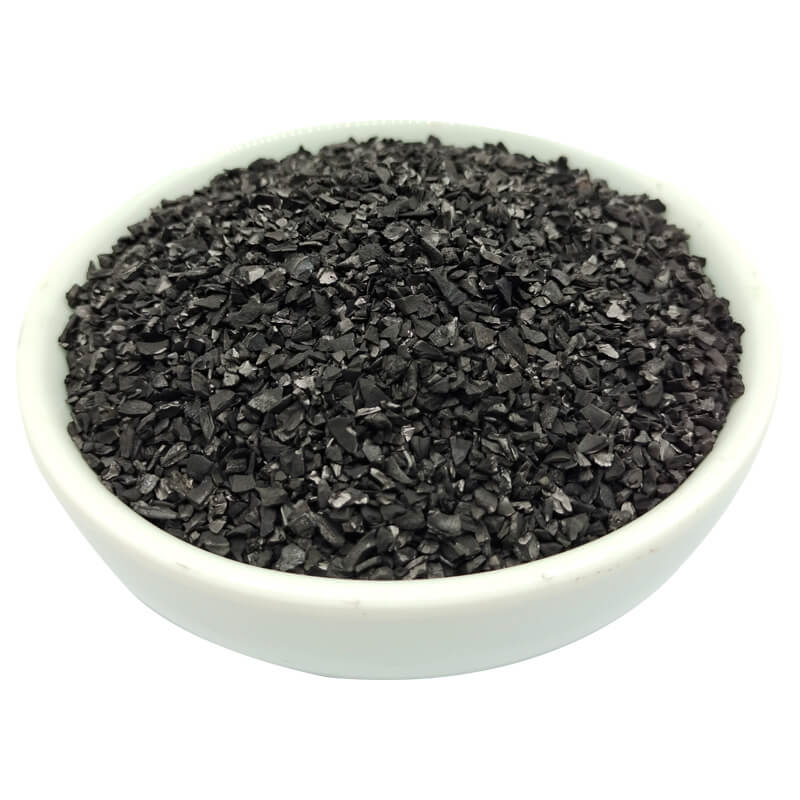
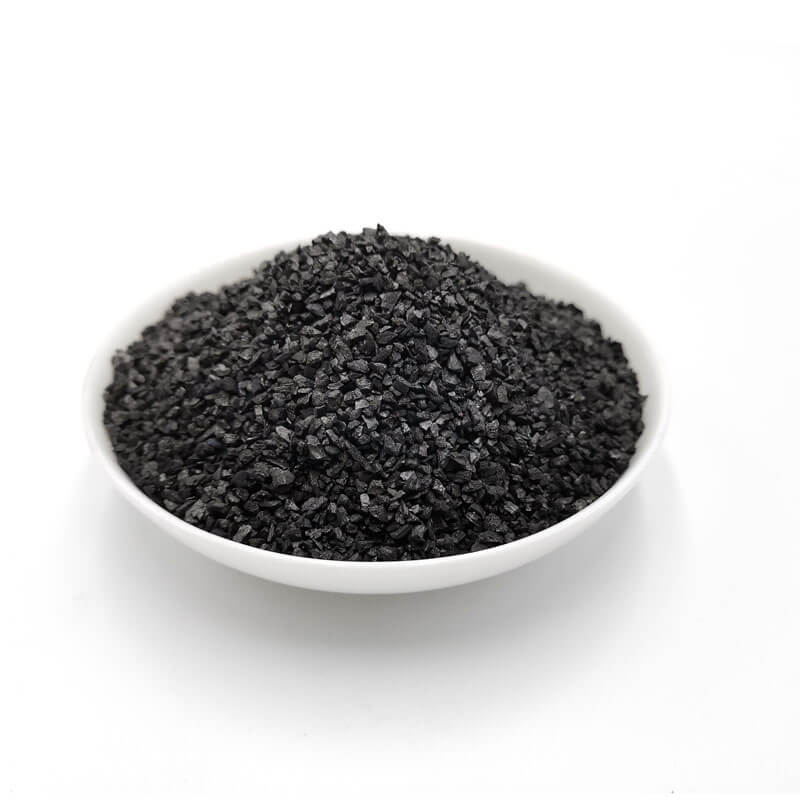
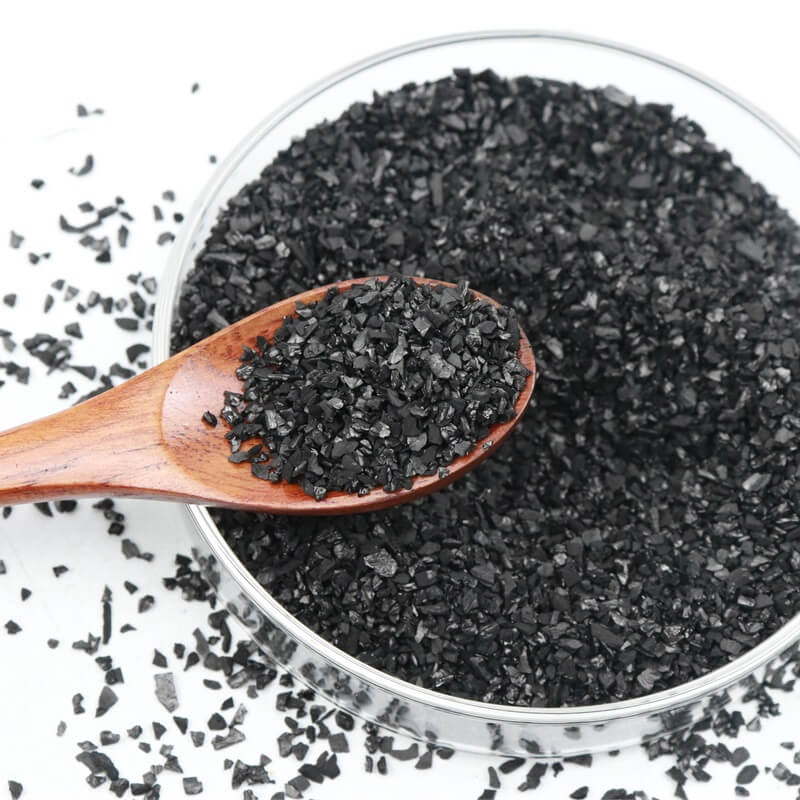
FREQUENTLY ASKED QUESTIONS
Have Questions? We're Here to Help.
Identify the pollutants to be adsorbed; examine key indicators; and conduct small-scale trials to verify the results, taking into account cost.
No. The iodine value only indicates the number of micropores and is suitable for small molecules; if processing large molecules, the methylene blue value and the proportion of mesopores need to be considered.
Drinking water/odor removal: Coconut shell charcoal (high micropores); Municipal high-flow-rate charcoal: Coal-based charcoal (high strength); Industrial wastewater decolorization: Wood-based charcoal (well-developed mesopores); Specific selection requires flexibility.
Granular activated carbon (general purpose), honeycomb activated carbon (high airflow, low resistance), and fiber felt (high-requirement applications) are all available.
Yes. You can contact us to select samples, specifying the quantity and requirements.
Yes. Particle size, column diameter, honeycomb size, pore size, and iodine value/CTC can all be customized to your needs.