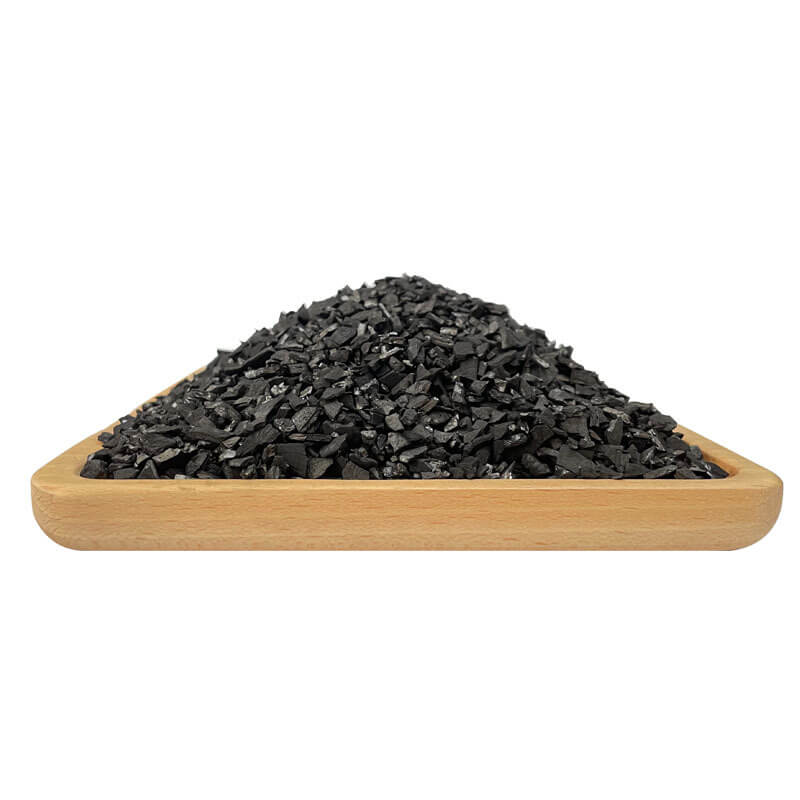
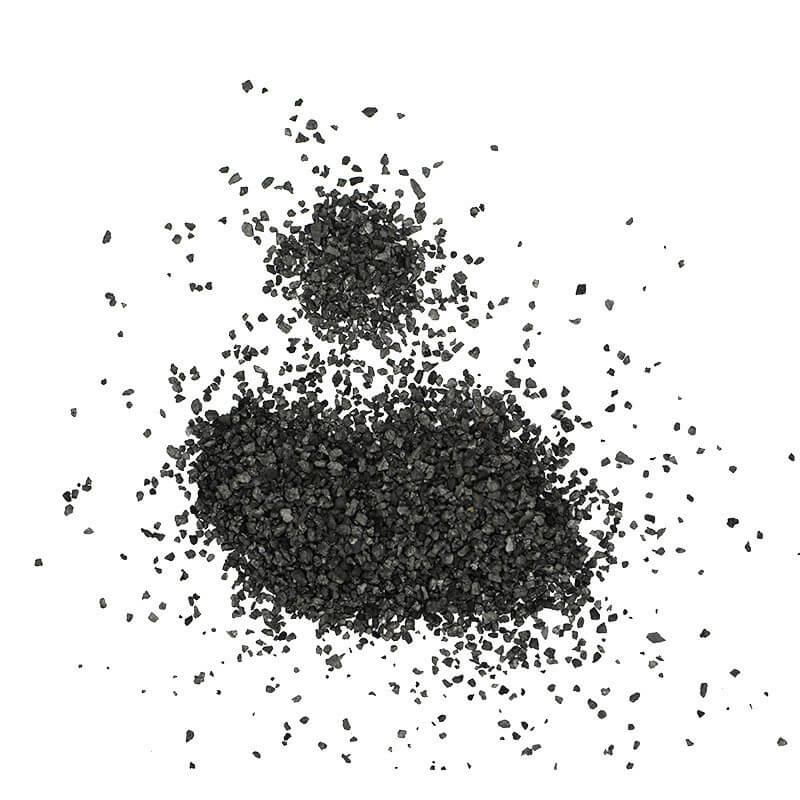
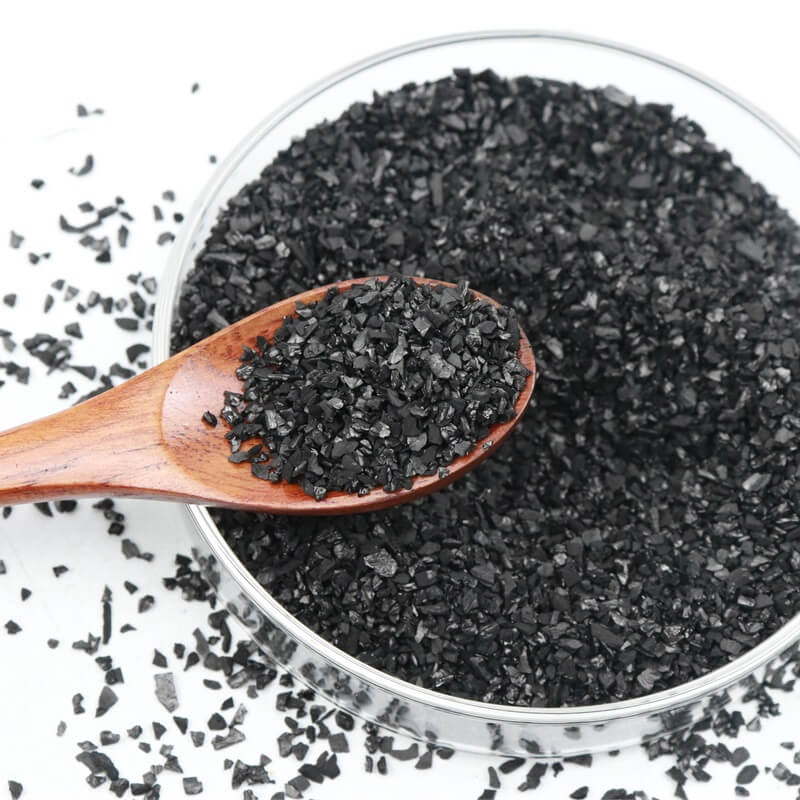
Granular coconut shell activated carbon-gold series
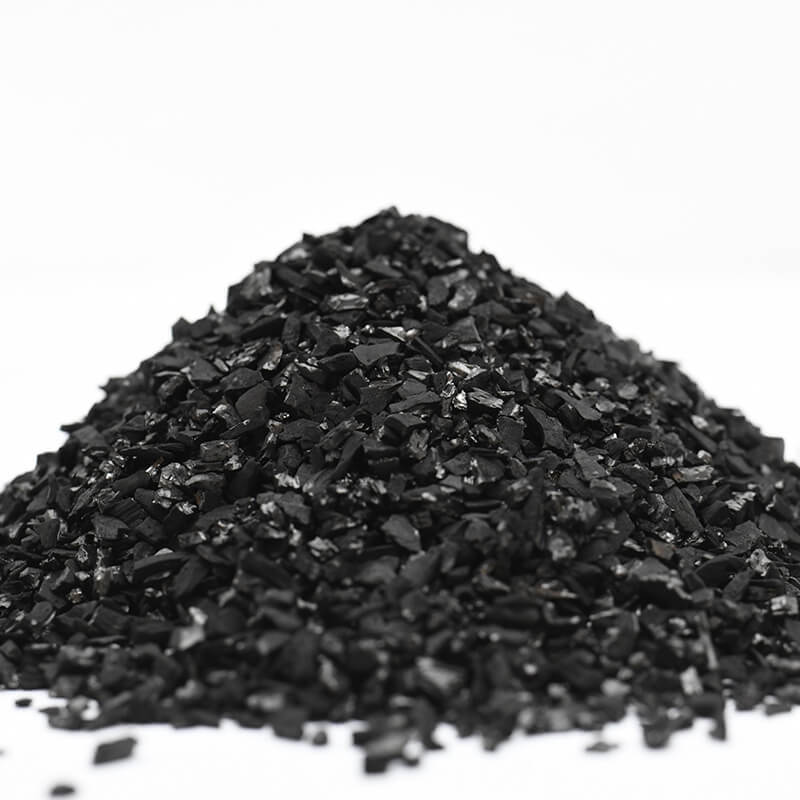
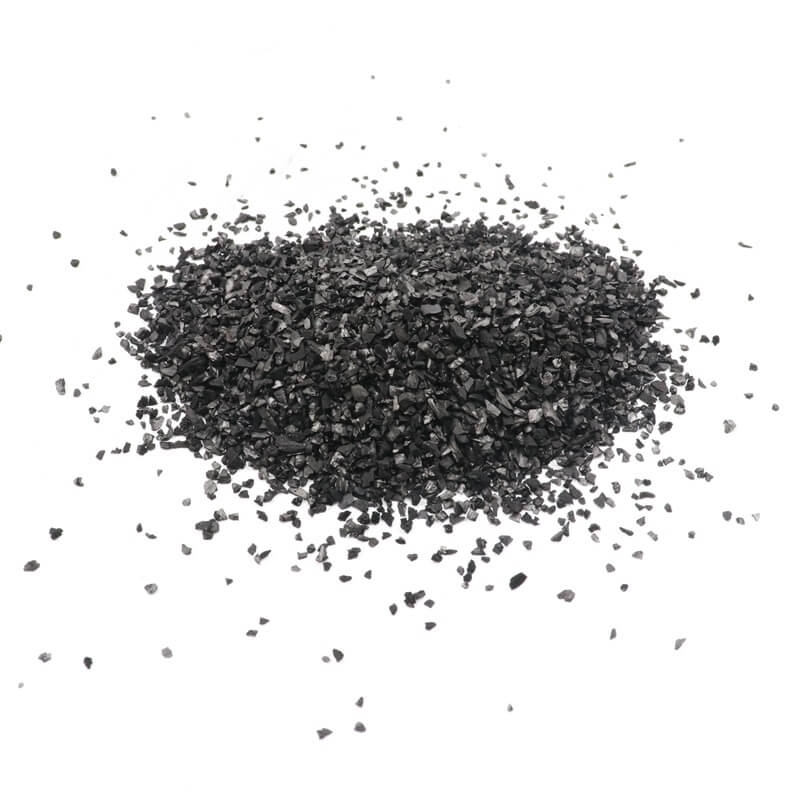
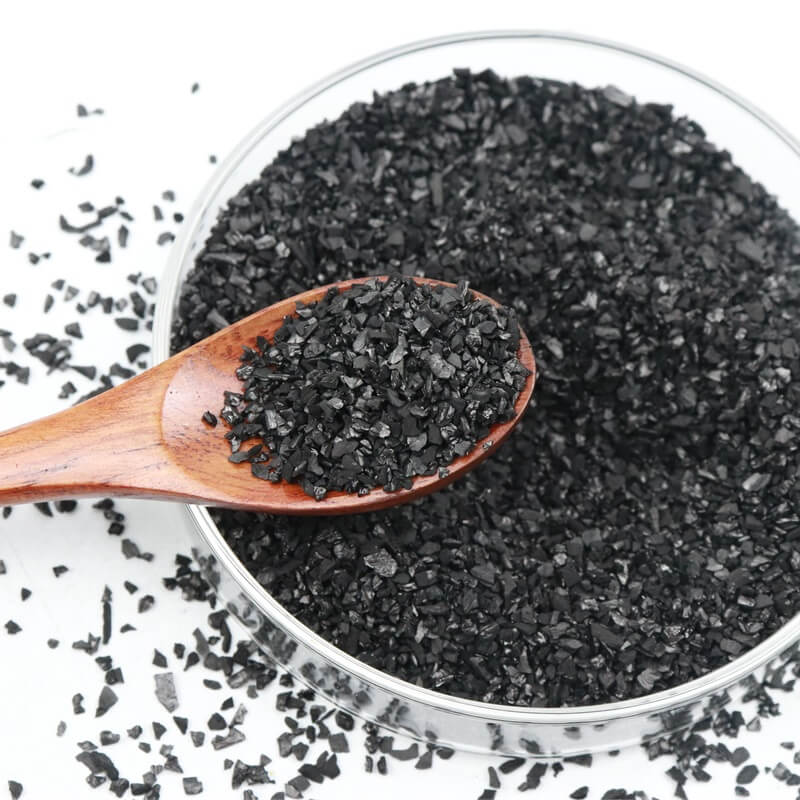
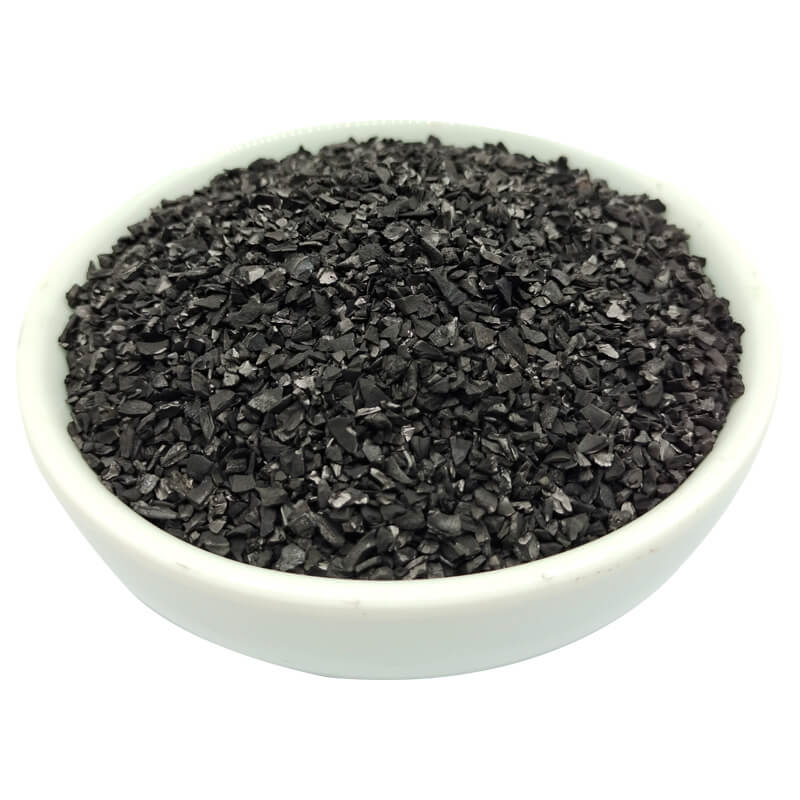
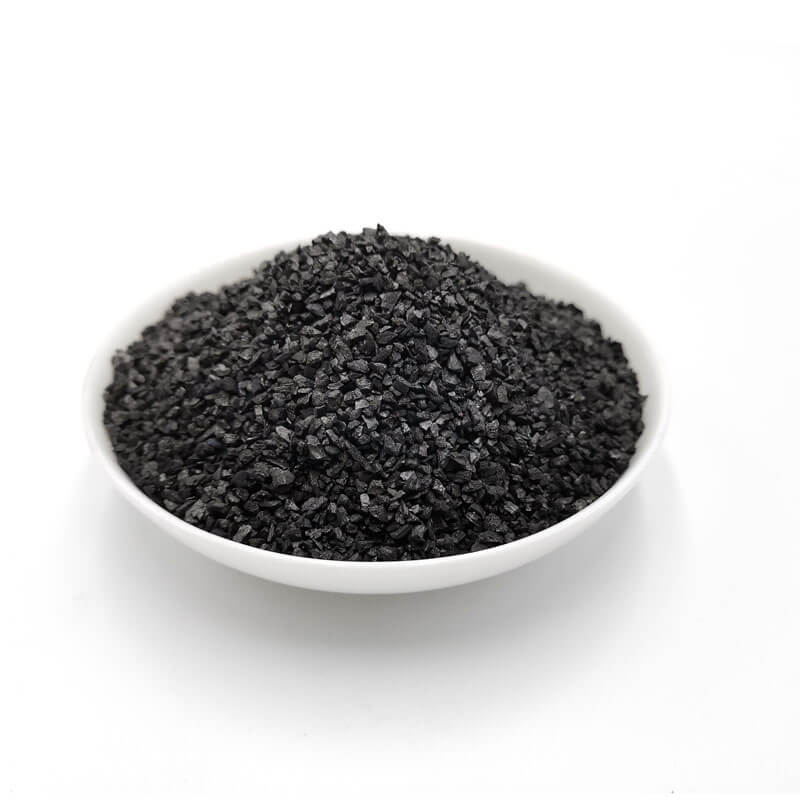
CC-GC 1000-1100 is gold series coconut shell activated carbon, the preferred material for gold recovery in modern mining. Utilized in CIP/CIL processes, its hard, porous structure offers superior resistance to abrasion. The natural micropores provide exceptional adsorption capacity, efficiently capturing dissolved gold complexes from cyanide solutions. This ensures maximum yield, durability, and cost-effectiveness for refining operations.
Application scenarios:
Gold adsorption、Precious metal extraction、CIP(Carbon-in-Pulp)、Heap leaching gold refining...
Whatsapp: +86 150 3611 2915
Email: Info@jinmaichem.com
Working principle
Coconut shell activated carbon acts as a highly porous adsorbent with an extensive internal micropore network. The carbon surface possesses a slightly positive charge and favorable functional groups that physically and electrostatically attract the negatively charged aurocyanide complex [Au(CN)₂]⁻ from the pregnant solution. This process, known as carbon-in-pulp (CIP) or carbon-in-leach (CIL), selectively captures gold ions onto the carbon particles. Once loaded, the gold-laden carbon is separated and treated with a hot caustic cyanide solution (elution) to strip the gold, allowing the carbon to be regenerated and reused.
Product Parameters
| Model | CC-G1000 | CC-G1050 | CC-G1100 |
| Particle size(mesh) | 4*8/6*12/8*16 | 4*8/6*12/8*16 | 4*8/6*12/8*16 |
| Iodine value(mg/g) | 1000 | 1050 | 1100 |
| CTC(%) | 50 | 55 | 60 |
| Hardness(%) | 98 | 98 | 98 |
| Moisture(%) | 5 | 5 | 5 |
| Ash content(%) | 3 | 3 | 3 |
| PH value | 7-9 | 7-9 | 7-9 |
Product Advantages
1. Uniform mesh size ensures excellent flow, minimizes fines, prevents screen plugging, and reduces carbon losses in CIP/CIL tanks. 2. High iodine value (>1000 mg/g) indicates abundant micropores for rapid, maximum adsorption of the gold cyanide complex. 3. Exceptional hardness (98%) resists abrasion, reduces fines generation, extends service life, and lowers replacement costs. 4. Low ash (2–3%) keeps pores accessible, minimizes cyanide decomposition, and improves elution and acid-washing efficiency. 5. These combined properties deliver faster kinetics, higher gold loading, lower attrition, and superior regeneration—ensuring cost-effective, high-recovery gold extraction.
Application areas
Our activated carbon products have a wide range of applications, including environmental protection, food, medicine, industry, and civil use.

Water treatment

Gas Purification

Gold Recovery

Food & Beverage

Chemical Industry

Pharmaceutical

Air Filtration

Sewage Treatment
More related products
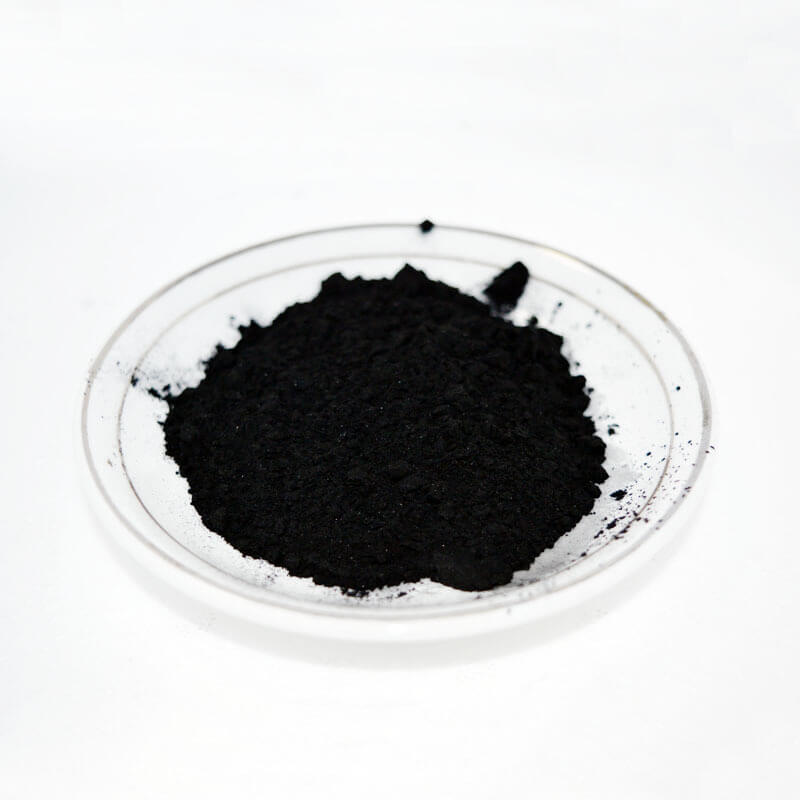
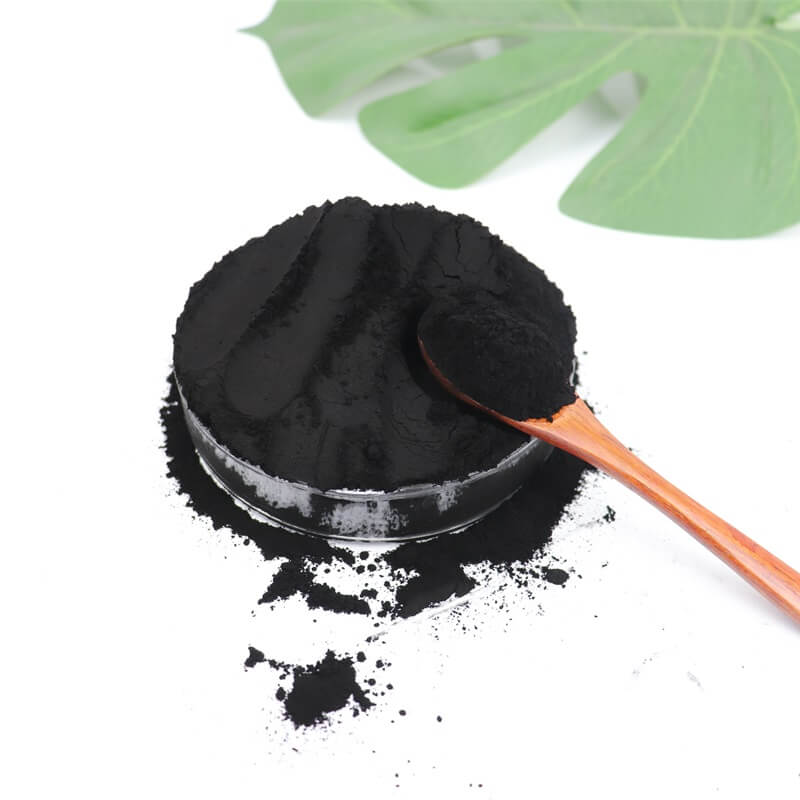
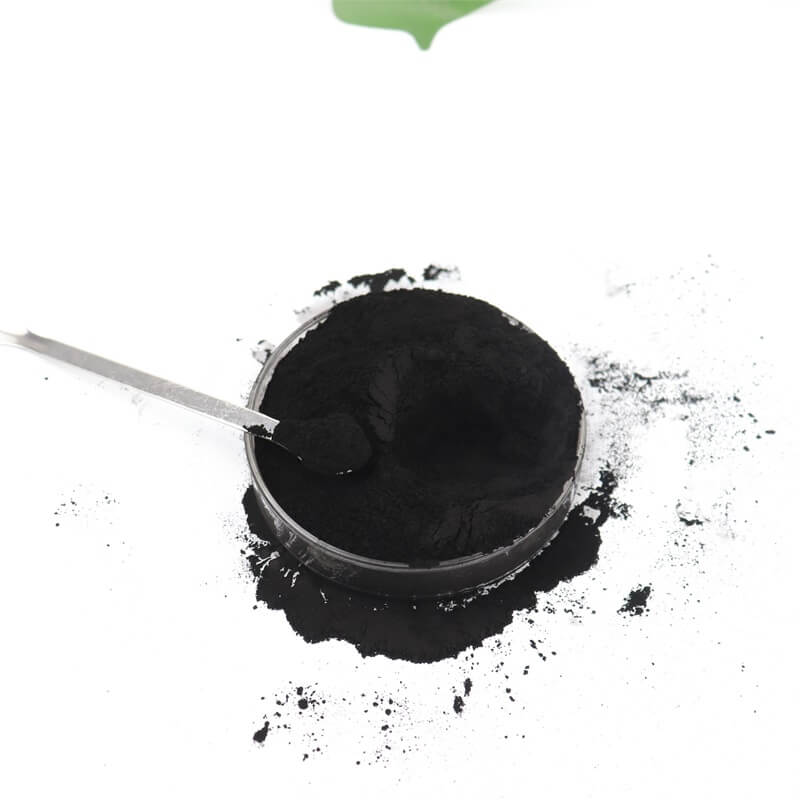
We offer a full range of activated carbon products for you to choose from
FREQUENTLY ASKED QUESTIONS
Have Questions? We're Here to Help.
Identify the pollutants to be adsorbed; examine key indicators; and conduct small-scale trials to verify the results, taking into account cost.
No. The iodine value only indicates the number of micropores and is suitable for small molecules; if processing large molecules, the methylene blue value and the proportion of mesopores need to be considered.
Drinking water/odor removal: Coconut shell charcoal (high micropores); Municipal high-flow-rate charcoal: Coal-based charcoal (high strength); Industrial wastewater decolorization: Wood-based charcoal (well-developed mesopores); Specific selection requires flexibility.
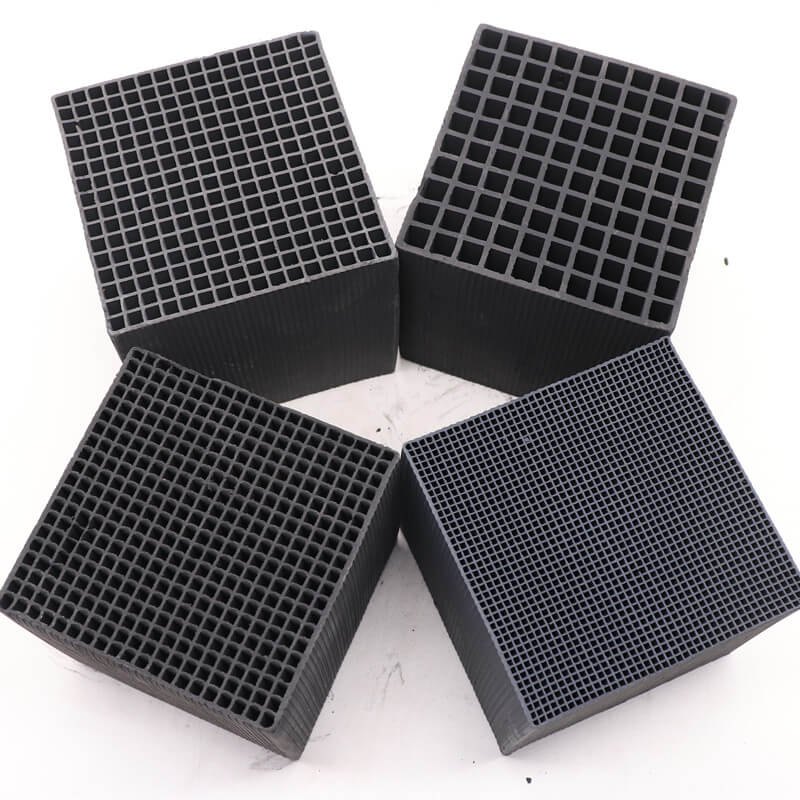
Granular activated carbon (general purpose), honeycomb activated carbon (high airflow, low resistance), and fiber felt (high-requirement applications) are all available.
Yes. You can contact us to select samples, specifying the quantity and requirements.
Yes. Particle size, column diameter, honeycomb size, pore size, and iodine value/CTC can all be customized to your needs.